Meeting

Sacred Surfaces: Carpets, Coverings and Mesas in the Colonial Andes

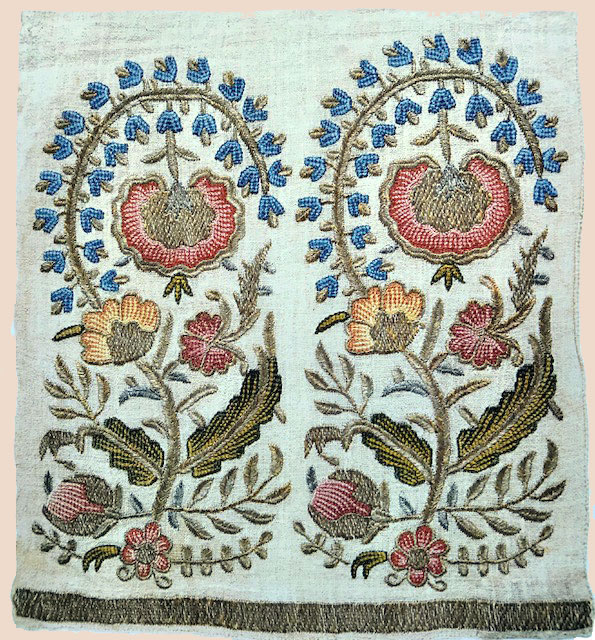
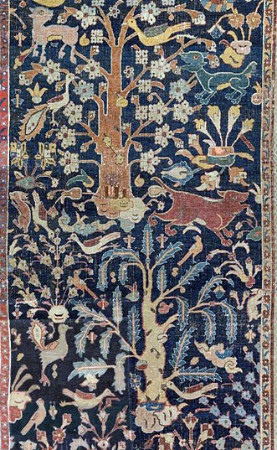
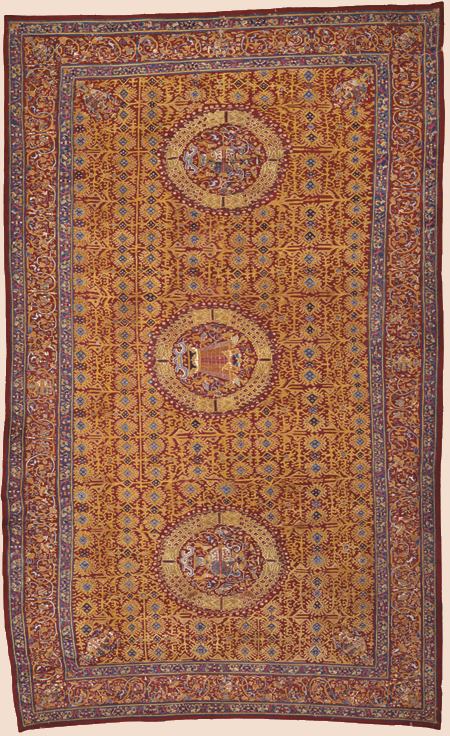
Textiles formed the surfaces of Colonial life in the Andes, and especially those associated with ritual and faith relating to the sacred realms of Christian as well as indigenous religious contexts. Carpets—woven of knotted pile or flat-woven tapestry—were not a form used in the region prior to the Spanish arrival but were introduced early in […]

Sacred Surfaces: Carpets, Coverings and Mesas in the Colonial Andes Read More »
Purple Reign: The History of an Extraordinary Color

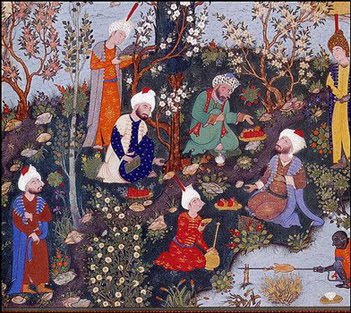
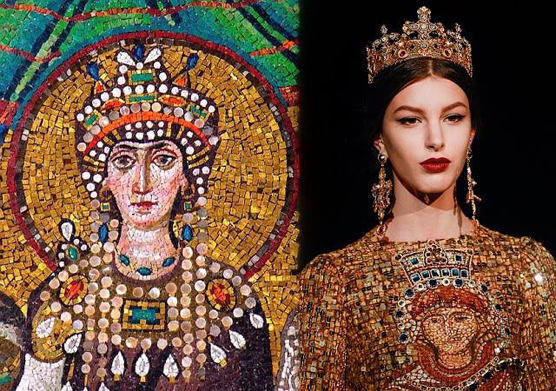
Coffee House Club Throughout history purple has enjoyed significance as an uncommon color associated with the ultimate—in royalty, power, spirituality, sexuality, magic, and decadence. Even though the 1856 creation of mauve, the world’s first synthetic dye, made the spectrum of purples widely available and theoretically blurred purple’s symbolic distinctions, the color has retained its caché

Purple Reign: The History of an Extraordinary Color Read More »

Nomadic Jajims: Transcaucasian/Azarbayjani and Lur, Qashqa’i and Chahar Mahal examples

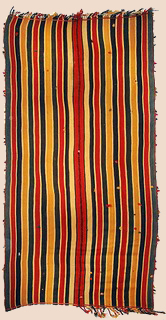
Coffee House Club Lecture / Dinner Jajims, which are warp-faced textiles, have been used extensively by Transcaucasian/Azarbayjani nomads, transhumants, villagers and the urban elite as pack covers, padded seating, covers for stacked up bedding in village houses during the day.  When woven with silk, they are quilt tops and yard goods. I will illustrate my talk using powerpoint,

Nomadic Jajims: Transcaucasian/Azarbayjani and Lur, Qashqa’i and Chahar Mahal examples Read More »

From the Desert to the City: The Journey of Late Ancient Textiles

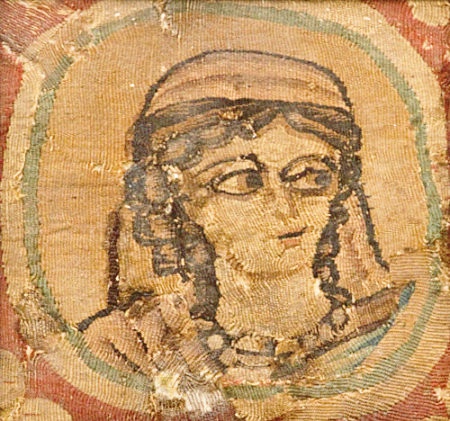
This exhibition places textiles from Late Antique Egypt in multiple contexts—their original use in the 3rd-7th centuries, their rediscovery in the early 20th century, and their reception in the present day—bringing these colorful remnants of the ancient past to life for today’s audiences. Centering on the recent gift of 85 textile pieces from the Rose

From the Desert to the City: The Journey of Late Ancient Textiles Read More »

Framing the Islamic Prayer Rug: Image, Symbolism and Function

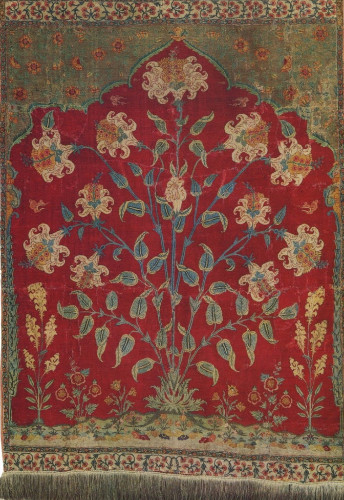
In 1974, Richard Ettinghausen marshaled the then available early literary and visual evidence, especially that to be found in miniature paintings, for the presence of prayer rugs in Muslim societies. In 2003, I published a complementary article in Hali addressing the relation of rugs and textiles to the pragmatics of Muslim prayer. In the light

Framing the Islamic Prayer Rug: Image, Symbolism and Function Read More »

Haiku in Color Kilims of Anatolia

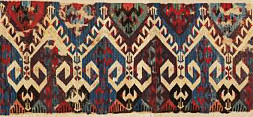
The nomadic Anatolian women, descended from Turkmen nomads and their settled kin created colorful, visually stunning kilims that communicate much about the aesthetic choices they made in decorating their tents and surroundings. Color, composition, and size make these textiles captivating to today’s viewers, but Anatolian kilims hold importance far beyond their contemporary visual impact. Most

Haiku in Color Kilims of Anatolia Read More »